
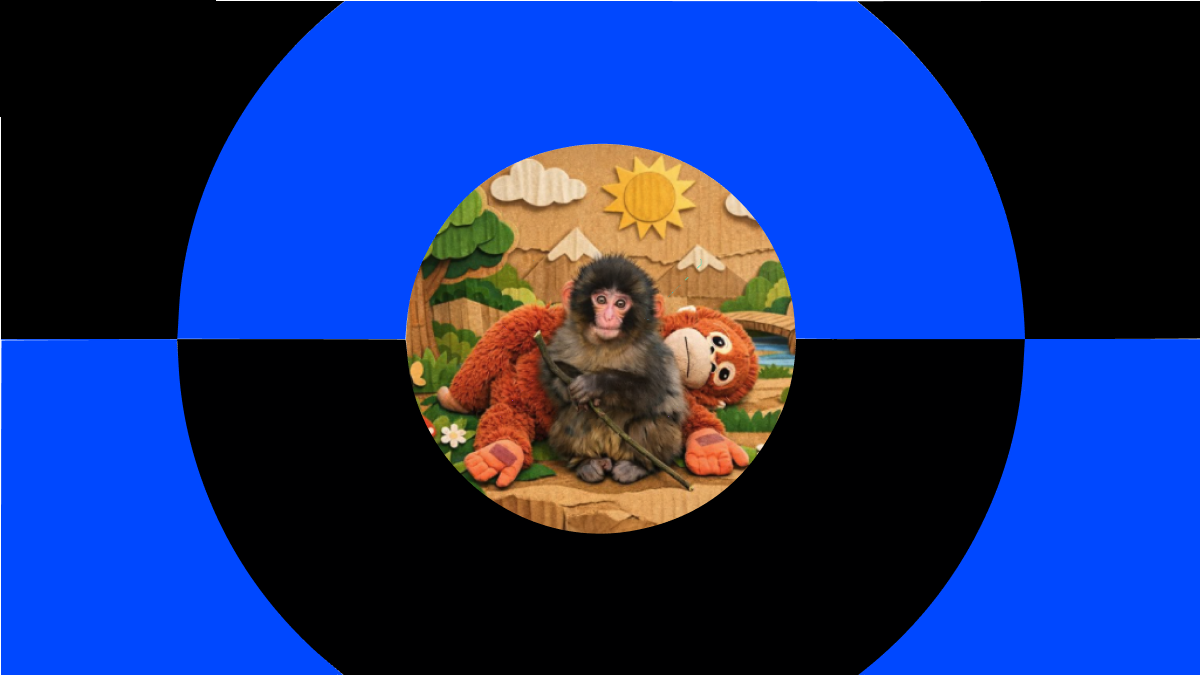
パンチ (PUNCH) is a quintessential Solana memecoin that bridges the gap between internet culture and speculative finance. Launched in early February 2026, it leverages the speed of the Solana network to facilitate high-frequency retail trading. Unlike utility-driven tokens, Punch thrives on social velocity, the rate at which its heartwarming backstory spreads across platforms like X and TikTok.
PUNCH is a high-beta asset that skyrocketed over 80,000% from its launch lows on Pump.fun. With a market capitalization that briefly peaked near $44 million, it has become a primary vehicle for capital rotation within the Solana ecosystem. Traders view $PUNCH as a sentiment proxy for the Japanese and broader Asian retail markets, where the hashtag #がんばれパンチ (Do your best, Punch!) has trended consistently.
This article breaks down Punch's viral Snow Monkey narrative, the technical risks of PUNCH's tokenomics, and a step-by-step guide on how to trade PUNCH futures on BingX.
What Is Punch (PUNCH) Solana Memecoin and How Does It Work?

Source: Punch community on X
Punch operates on a simple but powerful emotional hook. The token’s identity is tied to Punch-kun, a baby macaque born in July 2025 at the Ichikawa City Zoo in Chiba, Japan. After being hand-raised by zookeepers and struggling to socialize with other monkeys, Punch became a viral sensation in February 2026 for his inseparable bond with an IKEA orangutan plushie, which he treats as a surrogate mother.
As a token, PUNCH works through pure community-driven speculation:
• Narrative Support: The comfort and companionship theme resonates during market volatility, positioning PUNCH as a feel-good play.
• Solana Architecture: By utilizing Solana’s low-cost infrastructure, the token allows retail degens to trade with minimal slippage and near-instant execution.
• Zero Utility: PUNCH has no formal roadmap, DAO, or staking mechanism. Its workings are entirely psychological, moving in lockstep with social media engagement and whale activity.
What Is PUNCH Tokenomics and Supply Concentration Risks?
While the story is heartwarming, the on-chain reality of PUNCH requires caution. The project launched with a standard meme structure but has faced scrutiny regarding its distribution.
PUNCH features a straightforward meme-coin token model with a fixed total supply of 1 billion tokens, ensuring no future inflation or unexpected minting. The token applies 0% buy and sell tax, allowing users to trade freely without hidden fees or transaction penalties. According to the project’s claims, liquidity has been burned and contract ownership renounced, a setup commonly used to signal decentralization and reduce the risk of developer control; though, as with all meme coins, these claims should be independently verified by traders.
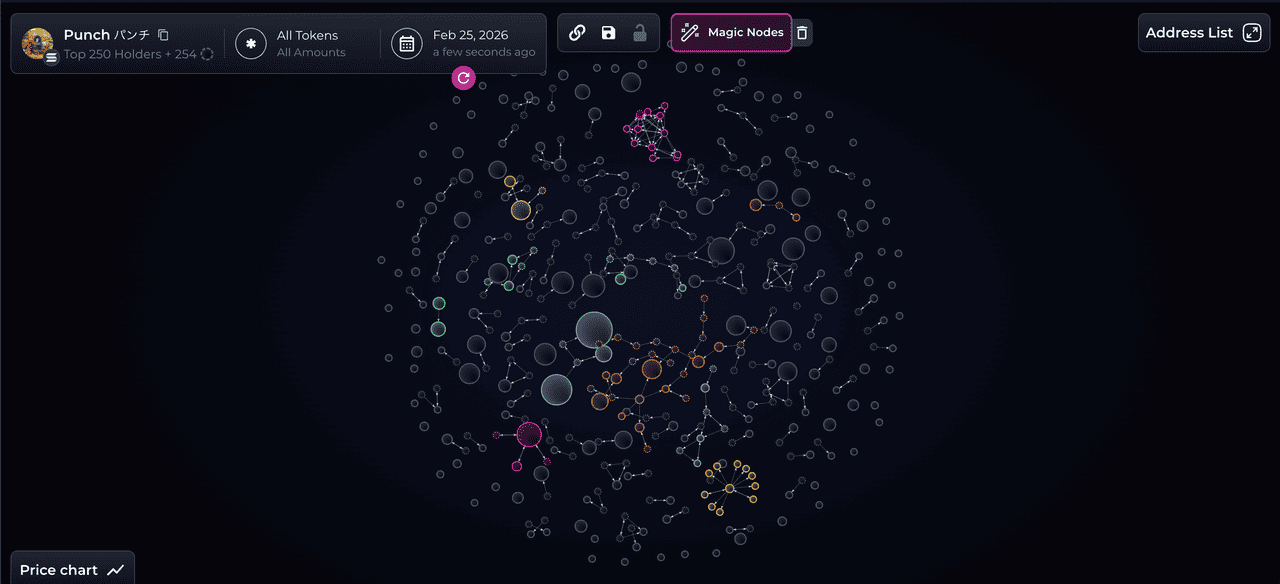
PUNCH Bubblemaps analysis
Analysts have flagged that three linked wallets control approximately 7.75% of the total supply. This high concentration creates a rug-pull risk or the potential for a slow bleed if these early holders decide to exit their positions simultaneously.
How to Trade PUNCH Perpetuals with Leverage on BingX Futures
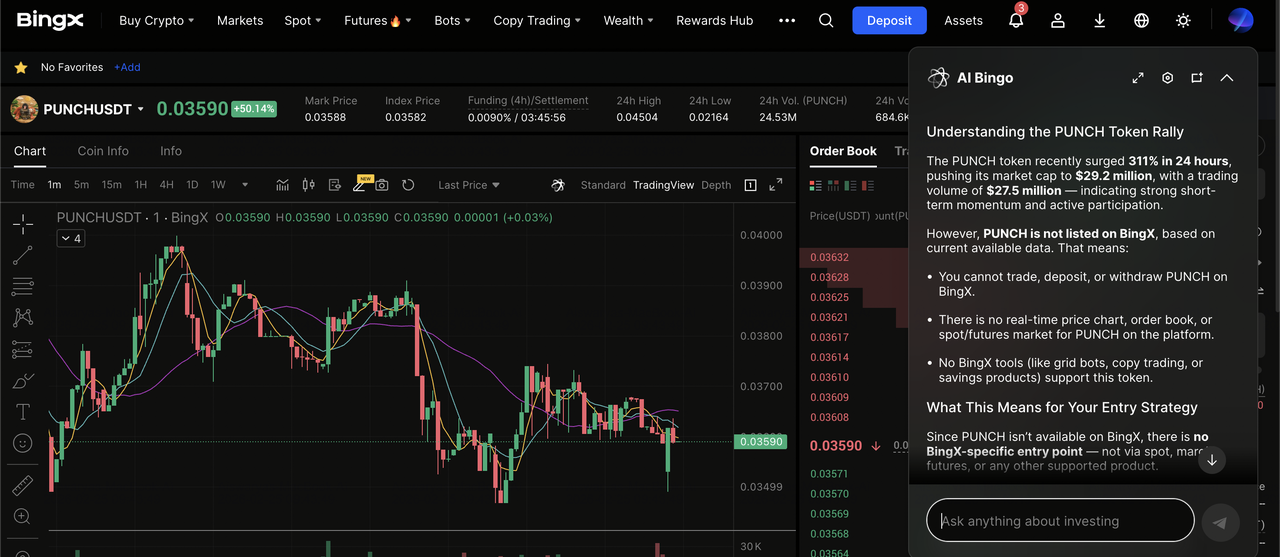
PUNCH/USDT perpetuals on the futures market with BingX AI analysis
For traders looking to capitalize on the 40–50% daily swings of the PUNCH narrative, BingX offers a streamlined futures trading experience with Bingx AI insights.
2. Locate the Pair: Search for PUNCH/USDT perpetual contract in the BingX Futures search bar.
3. Choose Your Direction: Select Long if you believe the viral momentum will continue, or Short if you anticipate a retracement from local highs.
4. Manage Leverage: Set your leverage, e.g., 5x or 10x. Given PUNCH's inherent volatility, high leverage is extremely risky.
5. Set Protection: Always use Stop-Loss (SL) and Take-Profit (TP) orders to protect your capital from sudden liquidations.
Key Considerations Before Trading PUNCH
Before entering a position, traders must distinguish between the cute viral narrative and the high-stakes mechanical risks unique to the Solana memecoin landscape.
• The Moo Deng Decay Pattern: PUNCH follows a peak-cute lifecycle; historically, animal memes like Moo Deng see massive rallies followed by 70–90% drawdowns once the initial viral novelty reaches saturation.
• Narrative Fragility and Zoo Updates: Unlike utility tokens, PUNCH’s price is directly indexed to the Ichikawa City Zoo’s media output; a lack of new Punch-kun content or a shift in the X (Twitter) algorithm can cause immediate liquidity evaporation.
• Cluster Wallet Vulnerability: On-chain data reveals that 7.75% of the supply is concentrated in just three linked wallets, meaning a single coordinated exit could trigger a catastrophic price collapse and a liquidation hunt on the futures market.
• Community Takeover (CTO) Volatility: With reports of the original developers exiting, PUNCH relies on a fragmented community-led structure; verify the official contract address (CA) via Dex Screener to avoid the numerous scam-clones and fake airdrops currently circulating.
Conclusion: Should You Trade the PUNCH Meme Narrative?
PUNCH serves as a primary example of emotional arbitrage within the 2026 Solana ecosystem, where a heartwarming real-world story is rapidly converted into speculative liquidity. While the token has demonstrated the ability to significantly outperform the broader market during peak viral windows, its valuation is anchored entirely in social sentiment and retail FOMO rather than underlying technology. For traders, this creates a high-velocity environment where price action is dictated by the latest zoo update or trending hashtag rather than traditional financial metrics.
Ultimately, PUNCH is a speculative vehicle that thrives on the attention economy. While the potential for explosive short-term gains exists, the lack of a formal roadmap and the high concentration of supply among early wallets make it a high-risk endeavor. Investors should view PUNCH not as a long-term fundamental asset, but as a volatile sentiment play that requires active monitoring and strict exit strategies.
Risk Warning: Trading memecoins like PUNCH involves significant risk of capital loss. These assets are subject to extreme volatility, potential market manipulation, and liquidity shifts. Never invest more than you can afford to lose and ensure you use appropriate risk management tools like Stop-Loss orders when trading on leverage.